
Planning a trip to Norway and wondering where the heck to start? I’ve got your back.
I spent two months in Norway, visiting popular spots like Bergen and Stavanger to smaller towns like Tau, and Alta in the far northern Arctic.
I did some of the top hikes in Norway like Preikestolen, Kjeragbolten and Bergen’s hike between Mounts Floyen and Ulriken. I did boat cruising through fjords. I hiked in the arctic. I took ferries and buses and domestic planes.
This Norway travel guide covers every single thing you need to know:
- where to go
- how much time you need
- how to get there and get around
- typical costs
- the must-do experiences
- the best times to visit.
- And more
Whether you’re planning a trip to Norway from the United States / North America or you’re coming in from Europe, by the end of this post you’ll have a solid foundation to start making your Norway trip happen.
⭐My quick cheat sheet for Norway:
🏠Places to Stay:
→ In Bergen: Magic Hotel & Apartments Kløverhuset is the best mid-range option because its right in the centre of the tourist centre, has amazing views over the harbour, serves delicious breakfast, and has apartment options if you want a full kitchen set up.
→ In Stavanger: VANDER – Pedersgata is an amazing option for studio apartments in central Stavanger. It’s within close walking distance to the best sights, has an airport shuttle, laundry and parking for those with a rental car. If you do have a car and are willing to stay about 20 minutes outside the city centre, I HIGHLY recommend Pulpit Rock Hostel Vaulali. I worked here for a month at the front desk and the property has stunning fjord views, a private beach, playgrounds, and canoe rentals to get out in the fhord.
→ In Oslo: The Radisson Blu Plaza Hotel is one of the best hotels in Oslo. They have extraordinary views over the city, a swimming pool and sauna, valet parking, and restaurants with great food on-site.
👉 Must-do tours:
→ In Bergen: Fjord tours are a MUST in Norway and especially Bergen (aka the gateway to the fjords). Sognefjord is considered the king of the fjords, and this tour is the best one to see it and the famous flam railway.
→ In Stavanger: Stavanger has the famous Pulpit Rock and this Rib boat tour takes you to the bottom of it to feel its impressive height. They also stop at waterfalls in the fjord! You can also take an excellent kayak tour around the Jorpeland islands.
→ In Oslo: This sightseeing tour combines land and water to see all the best sightseeing spots in Oslo. They take you around by coach bus to see places like Vigeland Park and ship museums at Bygdøy Peninsula. Then you embark by cruise to explore around Oslo’s islands.
🚗 Need to Rent a Car?
I use AutoEurope for rental cars because they gather all the best deals across the local rental companies to show you the best deals. I also find it the least stressful to navigate and it’s not overly sneaky with additional fees (although there are always some if you want insurance!).

First, Most Exciting – Where to Go in Norway!!
Whenever I’m planning a trip, my first move is to collect all the places I want to visit, drop them on a map, and then choose based on how much time I have.
If you’re unsure how to plan a trip to Norway, the easiest place to start is by choosing the experiences you care about most, mapping out where they are, and building your itinerary around the time you have available.
Norway is a long, mountainous country and its main destinations are pretty spread out, so this visual step really helps.
Bergen and it’s Fjords
Bergen is Norway’s second largest city and, in my opinion, the best city in all of Norway. It has insane scenery and quaint, authentic Norwegian culture.
Rows of colorful Norwegian-style buildings backdropped by incredible mountains, with a sparkling blue harbor in front of you. That’s basically Bergen.
It’s a culturally rich city and the nature around it is incredible. You can hike between two of the seven mountains surrounding the city, from Mount Floyen to Mount Ulriken. You can take boat cruises into nearby fjords, visit museums, and do some of the easiest and best day trips in Norway.
It’s called the gateway to the fjords for a reason. Both Sognefjord and Hardangerfjord are really close by.
👉 You can read a complete list of the 36 TOP things to see and do in Bergen here.
🤩 Check out Bergen’s Fjord Cruises – This is a TOP Unmissable activity in Norway.
Stavanger and Lysefjord
Stavanger is a great city and an even better base for hiking two of Norway’s most famous trails: Preikestolen (Pulpit Rock) and Kjeragbolten.
It sits right next to Lysefjord (the fjord that Preikestolen overlooks), and you can take boat cruises or go kayaking there too.
Stavanger is also just a really adorable city. The old part of town has white buildings on cobblestone streets with flower beds lining the road, and the museums are truly fascinating. One of them is basically a simulation of a real oil rig and it is incredible.
I stayed a whole month in a tiny town just across the underground tunnel from Stavanger. That’s how much I loved the area. Truly the most beautiful fjord cliffs I saw in the whole country. Here’s how I’d spend 4 days in Stavanger.
Odda and the Hardangerfjord Region
This region is less about city exploration and more about one specific hike: Trolltunga.
It’s a great adventure-focused stop but you probably wouldn’t spend a lot of time here beyond what you need for the hike.
This is THE coolest tour they have of Trolltunga. You won’t have to worry about transportation there from Odda and then you get to stay OVERNIGHT at the top in a glass dome with views over the snowy cliffs (even in Summer). Then in the morning you are there before the 99% of people who just do the day hike. The crowds are almost non existent.
Oslo
Oslo is Norway’s capital, its largest city, and one of the easiest international entry points. It’s a very modern city with lots of museums, a great harbor front, amazing sauna culture, and incredibly easy public transportation.
I personally opted not to visit Oslo during my almost two months in Norway because I wanted to focus on the nature side of the country.
I’d heard it was a really cool city, but I wasn’t looking for a modern city trip. A lot of people are though, and it’s a really great place to spend a few days.
Lofoten Islands
You’ve definitely seen photos of Lofoten when searching Norway online. It’s known for its dramatic mountains sitting on top of little islands, surrounded by the sea.
It’s a little harder to reach and you’ll need a bigger budget because a rental car is basically essential here. Accommodation is pricier too.
But the dramatic mountain-island scenery is a reason to visit Norway alone. In summer you get the midnight sun. In winter you get some of the best northern lights opportunities in the country.
Tromso
Tromso is in the far north of Norway and one of the country’s best winter destinations. It’s great for dog sledding tours, boat cruises, whale watching, and you’re officially in the Arctic when you visit.
It’s typically chosen for winter trips rather than summer. If you want to do fjord hiking and exploring in summer, you’d be better off in the south.
How Much Time Do You Need in Norway?
It really depends where you’re traveling from. If you’re coming from Europe, you could manage three to four days if you stick to one city. At least a week if you’re flying from across the pond or other continents.
Ideally, you’d want to spend at least a week in Norway. The more time you have, the better.
If you have five days or under, I’d really recommend sticking to one region. Choose Bergen and the fjords, Stavanger and the Preikestolen hike, or Tromso in the winter.
I’d start combining two places when you start planning a trip to Norway for a week. Bergen and Stavanger together make one of the best seven-day Norway itinerary combinations because between them you cover some of the most popular attractions in the country.
If you have 10 days, you can add Trolltunga on top of Bergen and Stavanger, or swap one city for a quick flight to Lofoten. The more time you have, the more destinations you can layer in.
Aim for at least three to four days in each spot, with the exception of Odda where you just need the time you need to do the Trolltunga hike.
👉 Read More: How to See Fjords in Bergen (The Best in Norway)
When Is the Best Time to Visit Norway?
Summer (June to August) for hiking, fjord cruises, water activities and road trips. Norway’s summer weather doesn’t get crazy hot (I experienced highs of 18 – 20 C / 64 F in mid August near Stavanger). The weather is always variable with rain periods, but summer is less volatile.
Winter (December to March) is for the northern lights, dog sledding, whale watching, and snowy landscapes in places like Tromso. The downside is minimal or even NO daylight (in the far North they experience “polar night”), no hiking to speak of, and road and weather conditions that require a lot more planning.
Shoulder season (April – May / September – November) has good middle ground with decent daylight, not too crazy weather and less people. I was in a small town near Alta in mid-September and saw the Northern Lights 1 of the 14 days I was there.
How to Get to Norway
Most travelers fly into Norway through Oslo, Bergen, or Stavanger. If you’re coming from Europe in winter specifically for the northern lights, Tromso has its own airport too.
Where you fly into really depends on your itinerary and the prices you find. Whatever is most strategic for your first stop is the right answer.
Getting to Norway by Ferry
If you’re road-tripping through Europe or Scandinavia, you can also take a ferry into Norway. The main options are:
- Hirtshals, Denmark to Kristiansand, Norway via Color Line. This is the most popular ferry route into Norway from continental Europe.
- Kiel, Germany to Oslo overnight via DFDS. A great option if you’re coming from Germany.
How to Get Around Norway
Norway is actually very easy to travel around, but always add extra time compared to what Google Maps shows. The terrain is incredibly complicated. Mountains, fjords, lakes, narrow roads… a distance that looks like an hour can easily take three.
Training in Norway
The train between Oslo and Bergen is the best way to connect those two cities. It’s a gorgeous journey through the mountains and worth taking for the scenery alone.
Other than that, it’s better to take buses or domestic flights as public transportation between destinations.
Buses in Norway
Buses in Norway are really effective for getting between destinations. I took buses from Stavanger to Bergen, between the small towns outside Stavanger, and up in northern Norway from Alta down to the tiny town of Borselv.
I always book my bus tickets, anywhere in the world, through Busbud.
Renting a Car in Norway
A rental car is worth it if you want a road trip style with maximum flexibility. When I was based near Stavanger, the bus routes to reach certain hikes were really complicated, and having a car made much more sense.
Kjeragbolten has a shuttle, but it’s not flexible on timing. A rental car lets you control when you arrive and how long you stay at each spot.
The downsides: parking is expensive, there are tolls through tunnels, fuel costs are high, and you pay ferry fees separately when crossing fjords. I’d say renting a car in winter is probably not advisable unless you’re very experienced with winter driving. In summer it’s completely doable.
I book rental cars through Autoeurope because they gather all the best deals from individual car companies in one place so you get the best price.
Ferries in Norway
Ferries are part of everyday transport in Norway, especially when you’re driving between regions. Most long bus routes include ferry crossings in the ticket price, which is another reason busing can be more cost-effective than driving your own car.
What to Do in Norway
Cruise Through the Fjords Near Bergen
This was one of my absolute favorite experiences in the whole country. We got picked up right at Bergen’s harbor, cruised through stunning fjords, saw tiny colorful towns, got right up close to a waterfall, and had fjord walls towering above the boat on both sides.
This is the tour I did of the Mostraumen fjord. I also loved that I got to see Bergen’s sprawling city along the coast too, with hills dotting the cliffs. The biggest wow factor cruise though is this one of Nærøyfjorden, which is considered the most beautiful in Norway.
The tours are more of a full day trip from Bergen and also combine a visit to a town surrounded by mountains and the famous Flam Railway.
Hike Preikestolen (Pulpit Rock)
This was one of my favorite hikes I did in all of Norway. Preikestolen is about 8km round trip, rated as moderate difficulty, takes around 4 hours, and involves around 500m of elevation gain.
The cliff sits 604 meters above Lysefjord. The view from the top is absolutely worth every step. There are some crowds though, so here are some tips to avoid them and hike Prekeistolen.
Hike Kjeragbolten
Kjeragbolten is another personal favourite and one of Norway’s “Big 3” hikes. It’s famous for a boulder wedged between two cliff walls above Lysefjord.
The hike is about 10-11km round trip, rated as challenging, and takes 5-7 hours. It involves chain sections to pull yourself up steep granite faces. One of the most spectacular hikes I’ve ever done.
Hike Trolltunga
Trolltunga is the third of Norway’s most famous 3 hikes and definitely one of the harder ones. From the P2 trailhead it’s about 27km round trip and takes 8-12 hours.
You need solid hiking experience before attempting it. From P3 Magelitopp it’s about 20km and takes 7-10 hours.
Explore Bergen
I’d honestly put it in my top five favorite cities. Walk the Bryggen wharf, hike Mount Floyen to Mount Ulriken (completely free if you skip the cable cars like I did), and just spend time wandering the colorful streets.
Ride the Flam Railway
The Flam Railway runs through some of the most dramatic mountain scenery in Norway and is one of the steepest railway lines in the world. It’s a must-do if you’re near Bergen.
Kayak in Lysefjord
Going out on the water in Lysefjord with a paddle is a completely different experience from seeing it from a boat. You’re right at water level with the fjord walls rising above you on both sides. This Lysefjord Kayak Safari takes you past waterfalls and right under the famous Pulpit Rock.
Visit and Walk Around Stavanger
I loved Stavanger and found it a really interesting city. The old town is gorgeous, some of the museums are truly fascinating, and the overall vibe surprised me in the best way.
Visit or Road Trip the Lofoten Islands
The Lofoten Islands look like something from a fantasy landscape. Mountain peaks shooting out of the sea, tiny fishing villages, dramatic light in every direction. Plan to rent a car here because public transport is very limited.
Chase the Northern Lights in Tromso / See the Arctic
Tromso is one of the best places in the world to see the northern lights in the late fall and winter months. You can combine it with some dog sledding and snowmobiling for an epic tour of the Norwegian arctic.
Go Wild Camping
Thanks to Allemannsretten (the Right to Roam law), you can camp almost anywhere in Norway. If you have the gear, this is one of the best ways to experience the country and one of the best ways to keep costs very low.
How Much Does a Trip to Norway Cost?
Norway is known for being expensive, and I completely agree, but it doesn’t have to be as expensive as people assume.
The biggest expenses come from moving between cities a lot and renting a car. But if you stick to two cities and take buses between them, you can keep things really reasonable. Spending more time in each destination also helps a lot.
Accommodation Prices in Norway
For Budget Travellers: Hostel dorm beds in Norway typically run around $45-60 USD per night depending on season and location. There are also not very many true hostels in Norway. You’ll find a couple in Bergen, some in Oslo, but none in cities like Stavanger and only one in Tromso.
Book as far in advance as possible for summer stays. When I tried to book Bergen accommodation a week out during peak season, almost everything affordable was already gone and I ended up paying a lot more for an Airbnb.
For the mid-range to above:
The average hotel room in Bergen runs between $100 – 250 USD.
Transportation Costs in Norway
Car Rentals in Norway:
Renting a car is by far the highest transportation cost. You’re paying for the rental fee, gas, tolls through mountain tunnels (which can add up when they cost around $11 USD each way), and ferries when you need to cross certain fjords.
If you do rent a car, I recommend checking AutoEurope. They’re my go to because they gather the cheapest prices from all the booking rental websites so you get the best deal. I also find them pretty straightforward on the fees included.
Bussing in Norway
When I bused between Stavanger and Bergen, I just paid a flat bus ticket fee, and that included the two ferry crossings the bus made along the way. Driving that route yourself would mean paying those ferry fees separately.
For reference, I paid about $25 USD for my bus from Stavanger to Bergen for example (a 5 hour bus ride)
If you do book a bus, I recommend doing so in advance. I always use Busbud, because the prices are really good and it’s sooo convenient.
Domestic Flights in Norway
Domestic flights become necessary if you want to visit places like Lofoten or Tromso. You can check updated domestic flight prices here.
Tour and Activity Costs Across Norway
Hiking
Most hikes are free, but some have parking fees. The Trolltunga P3 trailhead parking for example, costs 600 NOK ($60 USD) per day, and the Kjeragbolten car park runs 300 NOK ($30 USD) if you drive.
The hike I did from Mount Floyen to Ulriken on my 4 days in Bergen though was completely 100% free.
Fjord Cruises
Bergen fjord cruises are one of the best value experiences in the country. Viator has day cruises around $100, and GetYourGuide has the popular Mostraumen fjord cruise.
Stavanger’s fjord cruises start at a similar price around $100USD but there are some specialty excursions like ones that include kayaking or a RIB boat that gets close to waterfalls that start to creep up in price.
Winter tours (dog sleds, northern lights)
A ton of people visit to see the Northern Lights and if you do that as a day tour it can cost around $250 USD for a night of chasing the aurora and having bon fires, like this popular one in Tromso.
The dog sledding is surprisingly more expensive than the Northern lights so you get tours around $350 for that. Although you get a really personalized experience with the dogs and learn the culture behind “mushing” in Norway’s arctic.
🤩 Check out Bergen’s Fjord Cruises – This is a TOP Unmissable activity in Norway.
Currency and Tips
Use your card for everything. I took out cash when I first arrived and actually had trouble spending it because even the bus required card payment. Don’t bother with cash unless you have a specific reason to.
Tipping in Norway is not expected. Wages are high and service charges are typically included. If you want to leave something for great service at a restaurant, 5-10% is appreciated, but you won’t offend anyone by not tipping.
Should You Road Trip Norway
Pros of a Norway road trip: total flexibility, dramatic scenic routes, access to remote stops and small villages, your own timeline.
The roads are well maintained (although many close in the winter). You can pair it with wild camping and get a lot more off-the-beaten track. If you pair it with camping the cost of the rental vs not having to pay accommodation kind of evens out.
Cons: it’s the most expensive way to travel Norway (if you don’t do wild camping), parking costs add up, you pay for tolls and ferries separately, and winter road trips are not advisable.
The best regions for a road trip are Lofoten and the surrounding fjords, and the Hardangerfjord area. Those are the places where having a car truly unlocks a lot more compared to public transport.
Should You Do a Group Tour in Norway
Norway is very, very doable independently. Personally, I would always choose to explore it on my own.
The main situation where a group tour makes more sense is if you’re visiting in winter and want to coordinate northern lights chasing and winter activities. The logistics for things like northern lights boat tours and dog sledding can be more complicated to piece together solo in the dark months.
If you prefer having everything handled, Norway in a Nutshell tours and G Adventures both offer good Norway options. But for most travelers, especially in summer, going independently is very manageable and more affordable.
Norway Packing List: What to Bring
I’m not going to tell you to pack underwear and socks. But here are the things you really cannot skip:
- Rain jacket (windbreaker style is best): Non-negotiable. Weather in Norway turns fast and the wind can be intense. This applies even in summer.
- Warm layers: I was in the Stavanger area in August and it was not warm. You’ll need at least a warm puffy or sweater. If you are in the North like Lofoton, you’ll need even more.
- Hiking boots: Proper boots, not trail runners. The terrain is rocky and often wet.
- Hiking pants: You’ll be glad you have them.
- Bathing suit: For the floating saunas.
- Trekking poles: Really helpful on longer hikes like Trolltunga and Kjeragbolten.
- Reusable water bottle: Water quality is excellent all over Norway.
- eSIM: I never travel anywhere now without one. I use Airalo. So much easier than hunting for a local SIM card, and most modern phones don’t even have a SIM card slot.
- Waterproof phone pouch or dry bag: Great for fjord cruises, kayaking, and rainy hikes.
- Hat and gloves: Especially if you’re heading to northern Norway or visiting in shoulder season.
- Umbrella: If you’re spending significant time in Bergen specifically. It rains a lot there.
In winter, upgrade everything: serious cold-weather jacket, waterproof insulated boots, extra warm layers, and full winter accessories.
Essential Norway Travel Tips Before You Go
Build in Buffer Days for Hikes
Don’t lock every activity to a specific day. Build buffer days into your itinerary, especially for the major hikes on your bucket list. Have backup plans for those foggy days that completely eliminate any views.
Book Accommodation Well in Advance
If you plan to book a trip to Norway during the summer, reserve your accommodation several months in advance, especially in popular destinations like Bergen, Stavanger, Tromso, and the Lofoten Islands.
When I tried to book Bergen accommodation a week out during peak season, almost all the budget options were gone. I ended up paying a lot more for an Airbnb. Book months in advance for summer.
English Is Universally Spoken
You will have zero communication issues most places in Norway. Almost everyone speaks English, although when I was more remote up near Alta in Norway, I did come across a couple bus drivers who only spoke Norwegian.
Pay by Card Everywhere
Card is accepted literally everywhere. Even the bus. I took out cash when I arrived and actually struggled to spend it. Don’t bother unless you have a specific reason.
Get an eSIM Before You Arrive
I use Airalo and highly recommend setting up an eSIM before your flight. Much easier than trying to find a local SIM on arrival.
For a much more complete set of travel tips and everything I wish I’d known before visiting Norway, check out my full do’s and don’ts of visiting Norway guide❤️.
FAQ About Planning a Trip to Norway
What is a good plan when visiting Norway for the first time?
Choose one or two regions instead of trying to see the entire country. If you have one week, Bergen and Stavanger are a great combination.
What is the best way to experience Norway?
Explore independently by road trip or bussing between cities. See a combo of fjord cruises near Bergen or Stavanger, hikes (like the top 3 Preikestolen, Kjeragbolten, and Trolltunga), and cultural sights like Bryggen in Bergen and Gamle in Stavanger.
What are some things that a tourist should know before visiting Norway for the first time?
Weather can change quickly, even during summer. Build buffer days into your itinerary if you are planning major hikes because fog, rain, or high winds can completely change the experience. Book summer accommodation well in advance. Pay by card. Spend at least 3 – 4 days in each destination. Read my full list of do’s and don’ts for Norway before going.
Your Next Steps For Planning Your Trip to Norway
From here, the next move is narrowing down exactly where you want to go and what you want to do. I highly recommend visiting Stavanger and Bergen if you have a week itinerary and basing your trip around the big hikes, fjord cruises, and culture in these areas. They pack the most top activities in the country into a small space and are very accessible to reach. Especially when compared to the remote regions like Lofoten and Tromso that require domestic flights.
I IMPLORE YOU TO PUT BERGEN ON YOUR ITINERARY. Genuinely one of my countries in the world. You can read about the top things to do in Bergen here.
Once you have a more solid understanding of your itinerary, you can start looking into the deeper details like planning out your individual hikes. I have a guide on how to avoid the crowds at Preikestolen (hint: go at 3/4pm instead of in the morning).
Plan Your Trip - My Favourite Resources
📱 Stay Connected Without Expensive Roaming Fees
I never travel without an e-Sim now. You pay a fraction of roaming fees, and simply download the e-Sim to your phone instead of switching SIM cards. The service I always use is Airola.
🏠 Book Your Accommodation
I always use Booking.com to find and book the best hotels at the cheapest rate. For cheap and social options, I love using Hostelworld - they also have private rooms.
🏄♀️ Book Your Tours and Excursions
I book adventure tours anywhere in the world through Manawa. My second favourite is Viator - it has the largest selection of tours with local operators and offers flexible cancellation.
Need Help Planning Your Next Adventure?
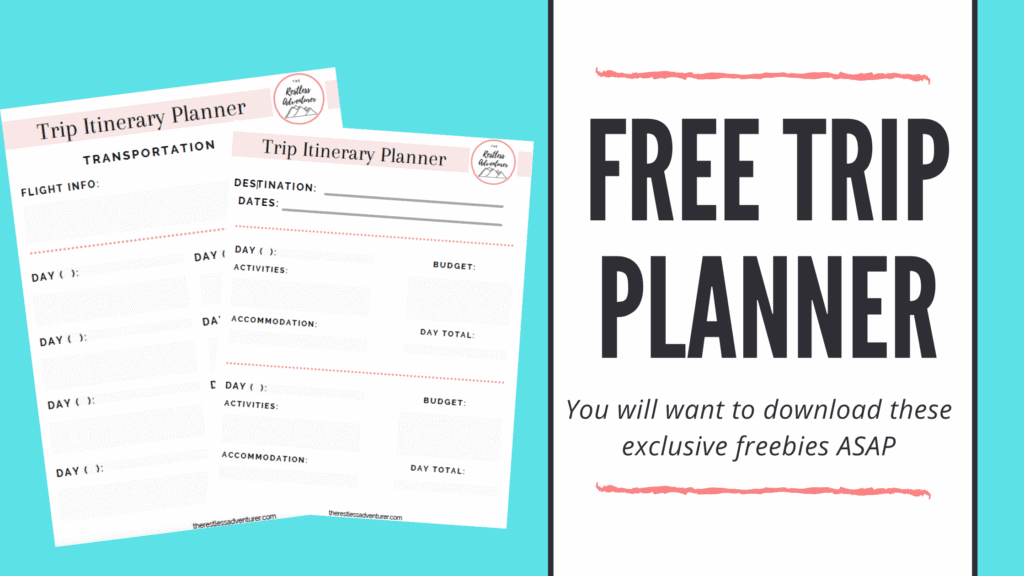
Join my newsletter to get access to your FREE exclusive trip planner + more awesome adventure travel content by me!
No spam and you can unsubscribe anytime!
